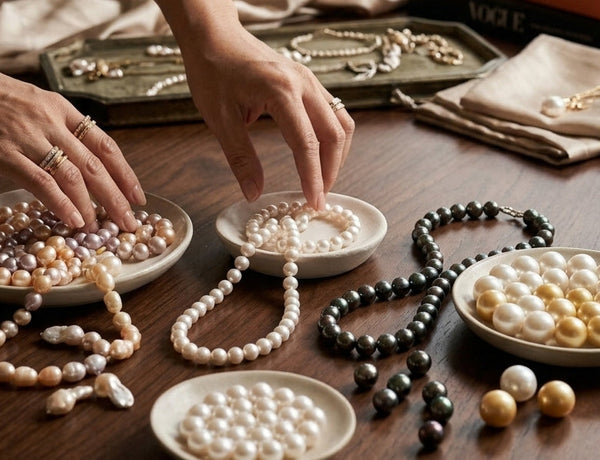
Once overshadowed by its gleamingly brilliant cousin — diamonds — coloured gemstones are slowly rising in popularity and gaining a cult following. The world of coloured gems boast an incredible array of varieties and it is time we give them more credit.

Coloured gems are fun, exciting and are interesting to express individuality. There are so many varieties of gems out there in the market, from the passionate, deep crimson of a ruby to a soft fairy-like, iridescent light show of an opal, there is definitely a gemstone for everyone!
Why do some prefer coloured gemstones?
In ancient times, coloured gemstones have been thought to carry historical symbolism or that they possess some sort of spiritual power to either protect or heal the wearer. However, these legends have been diluted over time as wearers prefer to put their own meaning and significance onto the stones.

Nowadays, coloured gems make a great conversation starter because unlike diamonds, they are unconventional. On face level, coloured gems can simply be adored for their interesting colours but if you dig a little deeper, they also add meaning and depth to your ring.
Gemstone Grading 101
Coloured gems tend to be graded more on their colour although they still share the same GIA 4C’s grading system as diamonds. The GIA colour grading for coloured stones consists of 3 components: hue, tone, and saturation.
- Hue is the basic colour of the gem
- Tone is the gem’s lightness or darkness
- Saturation is the intensity of the hue
Hue
7 colours make up the hue family: Red (R), Orange (O), Yellow (Y), Green (G), Blue (B), Purple (P) and Violet (V).

You might be thinking, some gemstones do not fit into one hue but looks like a mix of two hues. For example, a rubellite is a primarily red gemstone that looks a little pink, so the appropriate classification would be pinkish red. The primary colour would always be at the end of the classification. If the two colours are graded evenly, it will be represented with a hyphen like pinkish-red.
Tone

Tones are graded by numbers and it can range from 0 (white) to 10 (black). It is the first number of the colour grading code and it reflects the relative brightness and darkness of the gem when viewed from the top.
Saturation

The saturation of a gem is represented by the second number in the grading code and it can range from numbers 1 to 6. The brighter the saturation, the higher the number.
Can all coloured gemstones be a centre stone?
The answer is no, because different gems have different relative hardness. Some of the more common gemstones that can be mounted are sapphires, emeralds, rubies and amethysts. These stones rank higher (7 and above) on the Moh scale which means they are more durable and are less susceptible to cracks and damages!
Gemstones like pearls, moonstones and opals look great, set as earrings and necklaces, but are not practical choices for the everyday wear of an engagement ring. These gems are brittle and soft, so a little knock may just chip or scratch the gem.
Birthstone

If you do not already know, there is a special stone for every birth month! Putting together you and your partner’s birthstones together can signify the unity of two completely different individuals. The symbolism here also speaks volumes of your love story! Check out this table that references the month, the gem and the wishes they symbolise:
|
Month |
Classic Birthstone |
Wishes |
|
January |
Garnet |
wealth, happiness, health |
|
February |
Amethyst |
balance, quick wit, clarity of thought |
|
March |
Aquamarine |
Youth, health and hope |
|
April |
Diamond |
Strength and resilience |
|
May |
Emerald |
growth, wisdom and patience. |
|
June |
Pearl, Moonstone |
Purity, humility and innocence |
|
July |
Ruby |
the king of gems and represent love, health and wisdom |
|
August |
Peridot |
Symbolizes strength |
|
September |
Sapphire |
Wisdom, loyalty and nobility |
|
October |
Opal |
Purity, hope and truth |
|
November |
Yellow Topaz |
Longevity, beauty and intelligence |
|
December |
Turquoise |
Love charm. It is also a symbol of good fortune and success |
Coloured Diamonds vs Coloured Gemstones: What’s the Difference?
When choosing fine jewellery, many people compare coloured diamonds vs coloured gemstones - but they are not the same. While both offer beautiful colour, they differ in rarity, value, durability, and overall look.
Here’s a simple breakdown to help you understand:
1. Origin & Formation
Coloured Diamonds
Coloured diamonds are formed deep within the Earth under extreme pressure, just like white diamonds. Their colour comes from unique elements or structural changes (for example, nitrogen creates yellow diamonds, boron creates blue diamonds).
Coloured Gemstones
Coloured gemstones (like sapphire, ruby, emerald, spinel, tourmaline) are a broader category of minerals formed under different geological conditions. Each gemstone has its own composition and story.
Key difference: All coloured diamonds are gemstones, but not all gemstones are diamonds.
2. Rarity & Value
Coloured Diamonds
Natural fancy coloured diamonds are extremely rare; especially vivid pinks, blues, and greens. Because of this, they are among the most expensive gemstones in the world.
Coloured Gemstones
Some gemstones (like fine ruby or unheated sapphire) are also rare, but overall, coloured gemstones are more available and come in a wider price range.
Key difference: Coloured diamonds are generally rarer and more expensive than most coloured gemstones.
3. Colour Appearance
Coloured Diamonds
Their colour is usually more subtle and evenly distributed, with a unique brilliance due to diamond’s high light performance.
Coloured Gemstones
Gemstones often display richer, more saturated colours - like the deep blue of sapphire or the vibrant green of emerald.
Key difference: Diamonds sparkle more, while gemstones often show stronger, more vivid colour.
4. Durability & Everyday Wear
Coloured Diamonds
Diamonds are the hardest natural material (10 on the Mohs scale), making them ideal for everyday jewellery like engagement rings.
Coloured Gemstones
Durability varies:
-
Sapphire & ruby: very durable (9 Mohs)
-
Emerald: softer and more fragile (7.5–8 Mohs)
-
Other stones: vary widely
Key difference: Diamonds are the most durable, but some gemstones are still suitable for daily wear.
5. Treatments & Enhancements
Coloured Diamonds
Some coloured diamonds are treated (e.g., irradiation or HPHT) to enhance colour, though natural untreated stones are the most valuable.
Coloured Gemstones
Many gemstones are routinely treated (heat treatment for sapphires, oiling for emeralds) to improve colour and clarity.
Key difference: Treatments are more common and widely accepted in coloured gemstones.
6. Style & Personal Preference
Coloured Diamonds
Often chosen for luxury, exclusivity, and modern elegance. Popular in high-end engagement rings.
Coloured Gemstones
Loved for their variety, symbolism, and personal meaning (e.g., birthstones, cultural significance).
Key difference: Diamonds lean toward prestige, while gemstones offer more personality and colour variety.
Final Thoughts
When comparing coloured diamonds vs coloured gemstones, there’s no “better” choice - only what suits your style, lifestyle, and budget.
-
Choose coloured diamonds if you want rarity, brilliance, and long-term value
-
Choose coloured gemstones if you love vibrant colour, individuality, and wider design options
If you’re thinking of designing a piece using either of these gemstones, understanding the differences will help you create jewellery that truly reflects your story - something we always come back to in thoughtful design at Carrie K.
Our little tip!
Beauty is in the eye of the beholder, so it is just a matter of picking the right gemstone for your special someone. If you already have a gemstone in mind that you would like to be set for a lifetime, book an appointment with us below and we would love to walk you through your next milestone.
Join our Complimentary Coloured Gemstone Workshop!

Want to create your DREAM ring, but don't know where to start?
✔️ Get step-by-step guidance from our GIA-certified gemologist and award-winning designers
✔️ Access the widest selection of ring designs and IGI or GIA-certified Diamonds
✔️ Get peace of mind with our 14 years of experience in jewellery design with outstanding after-service